
Sputtering Target Fabrication Facility SHARED FACILITY
 02
02
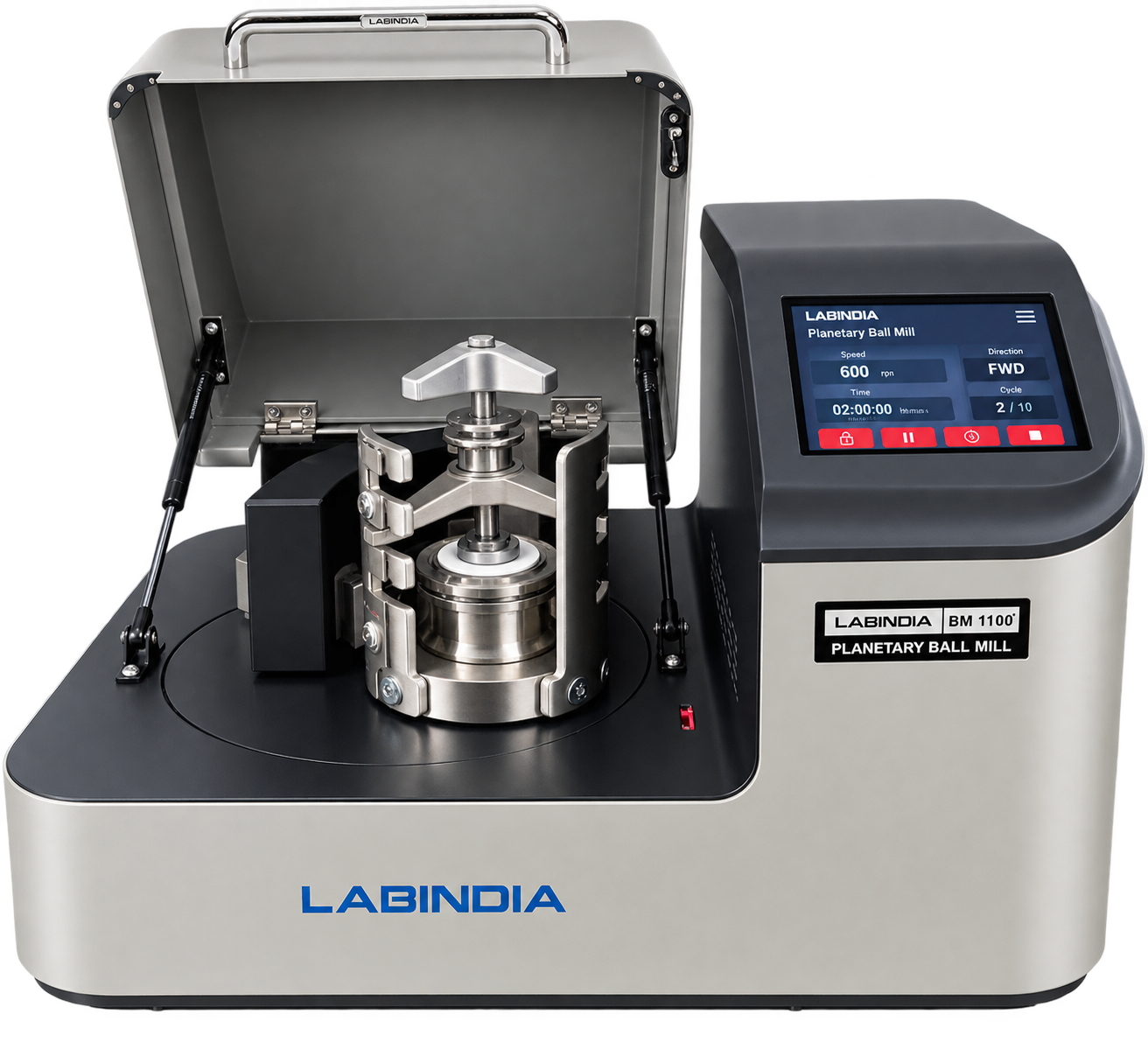
Slurry Preparation (Planetary Ball Mill)
Powders are mixed with suitable binder and plasticizer to form a homogeneous slurry. The planetary ball mill ensures uniform dispersion and good flowability.
- Fineness: Feed Size ≤ 10 mm. Final Fineness ≤ 1.0 μm, ≤ 0.1 μm (<100nm for colloidal grinding).
- Capacity: No. of Grinding Station 1 (With one grinding platform Can process 2 samples with 50 ml Grinding jar & 4 Samples with 12ml Grinding jar simultaneously).
- Speeds: Speed of Grinding Jar 100~1300 rpm, Sun Wheel Speed 100 – 650 RPM, Speed Ratio 1: -2.0.
- Performance: G-Force 33.3 g, Effective sunwheel diameter 260 mm.
- Materials: Zirconium oxide MOC Grinding Jars (80 ml) & Balls. Media 1 mm – 40 mm Grinding Balls with 6 Kinds of MOC's.
- Control: 7" inch LED Industrial Touch Screen display.
- Operation: Interval Operation With Automatic Direction Reversal. Setting of Grinding Time Digital 00:00:01 to 99:59:59 hrs or 01-999 min. Holding/Pause Time Digital 00:00:01 to 99:59:59 hrs or 01-99 min.
 04
04
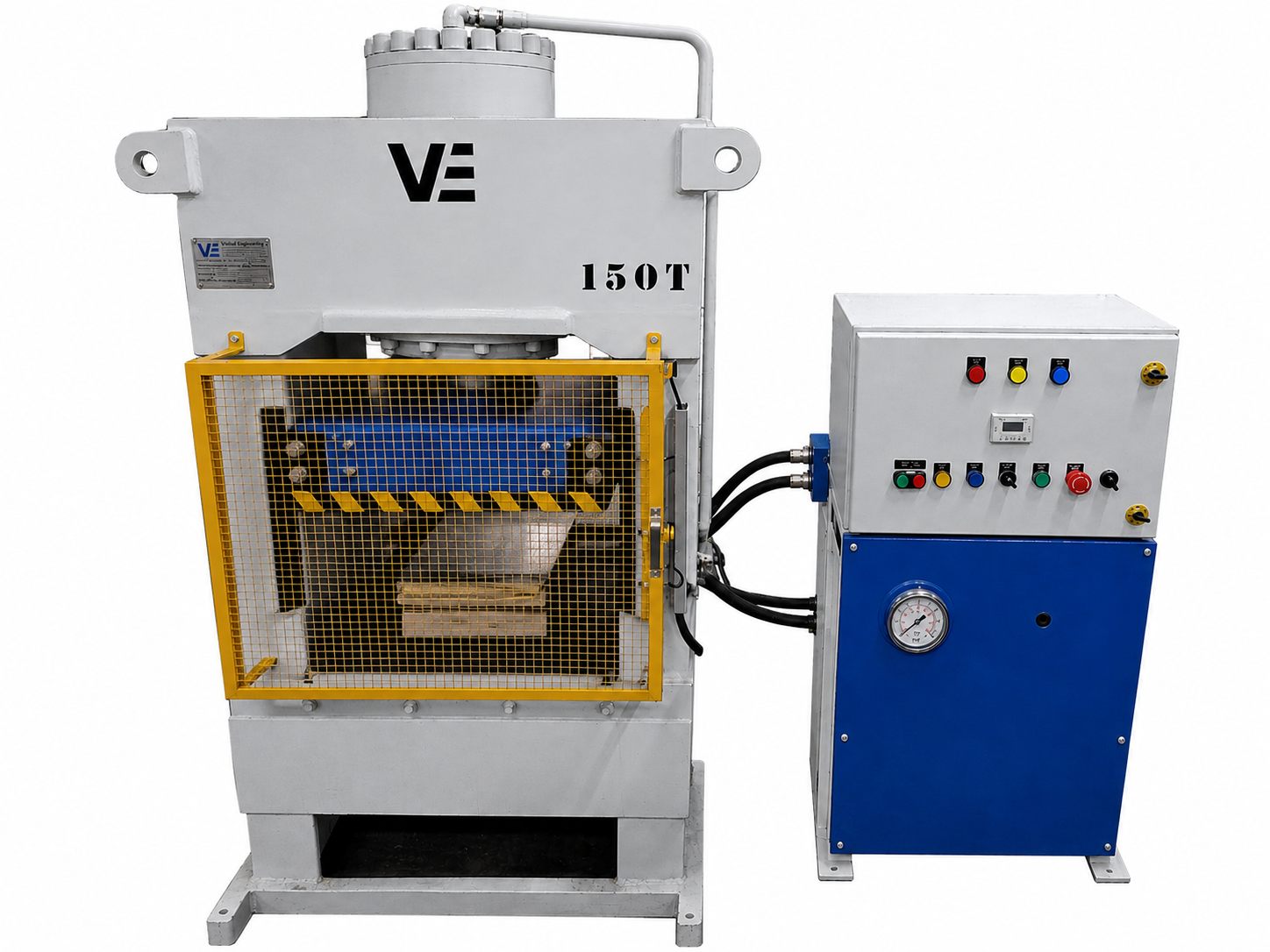
Powder Compaction
Granules are compacted in a die-set using a heavy-duty hydraulic cold press to form solid green body pellets ready for heat treatment.
- Capacity: 150 Tons
 05
05
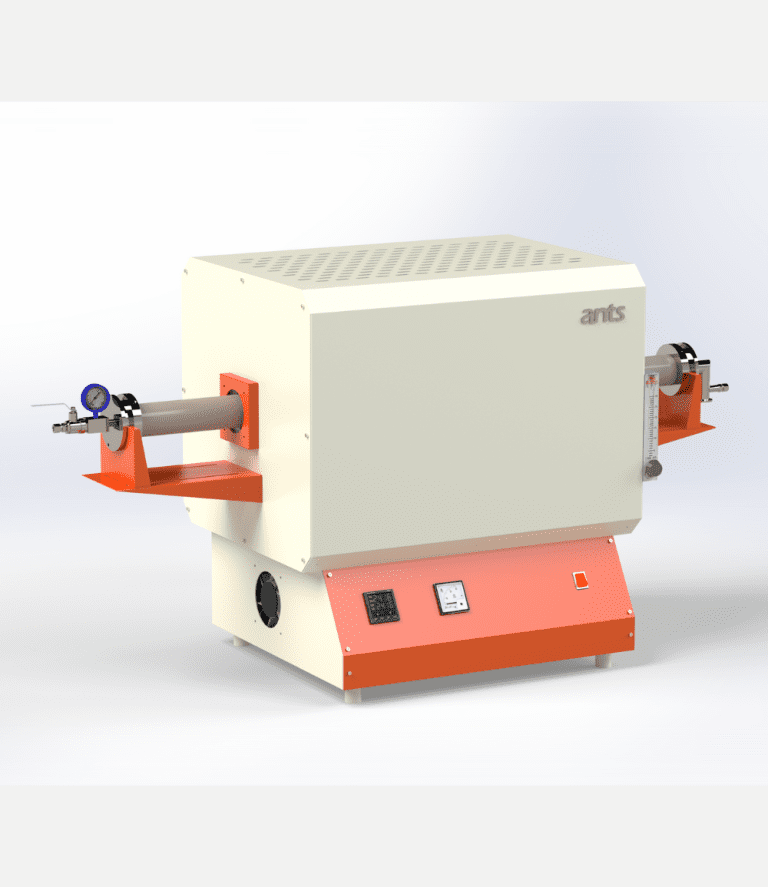
Sintering
The green body pellet is sintered at high temperature in a controlled-atmosphere tube furnace to obtain a dense, strong, and hard pellet with excellent mechanical stability.
- Max Temperature: 1600 °C
- Heating Elements: MoSi2
- Configuration: Single zone heating (250 mm heating length)
- Tube Dimensions: 70 mm Inner Diameter (ID)
 06
06
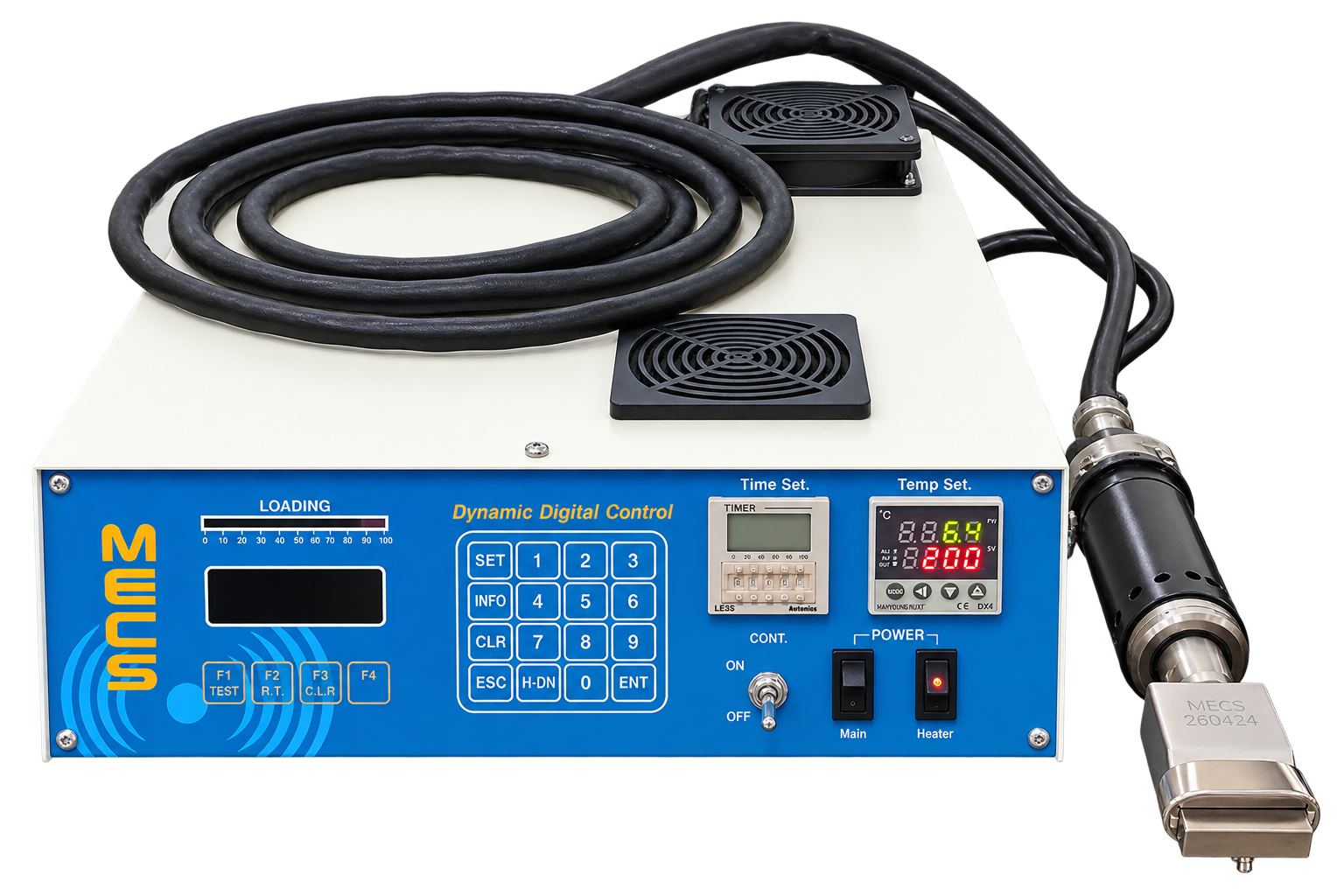
Ultrasonic Bonding
The sintered pellet is ultrasonically bonded using indium to a copper backing plate. This establishes a strong metallurgical bond and provides excellent thermal conduction.
 07
07
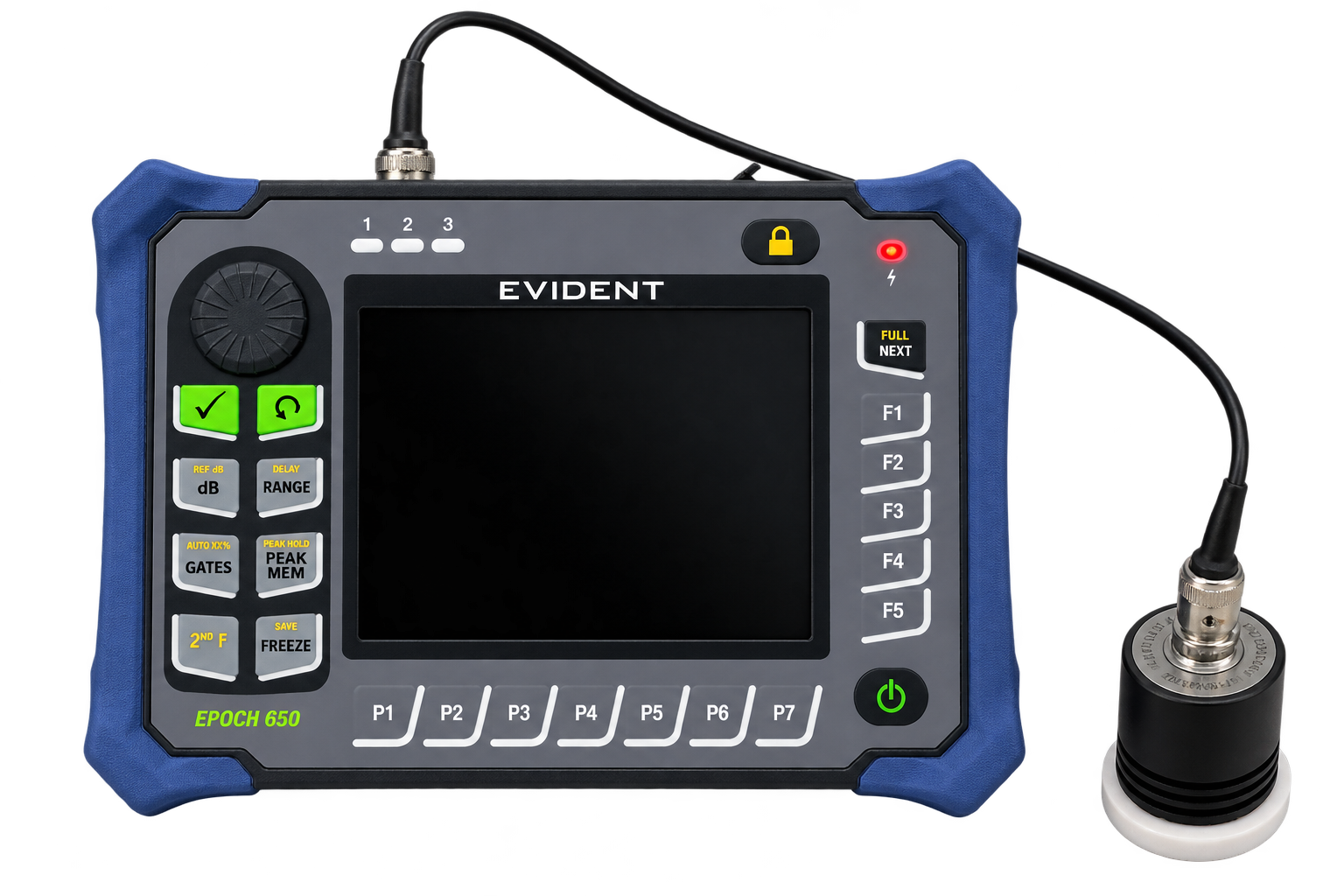
Ultrasonic NDT Inspection
Sputtering target and interface are inspected for sub-surface or interfacial flaws (e.g., cavities, lack of bond, delamination) using an ultrasonic NDT tester, ensuring target reliability and a long, defect-free service life.
Synthesis of Thin Films of Functional Ceramics
Pulsed Laser Deposition (PLD) SHARED FACILITY
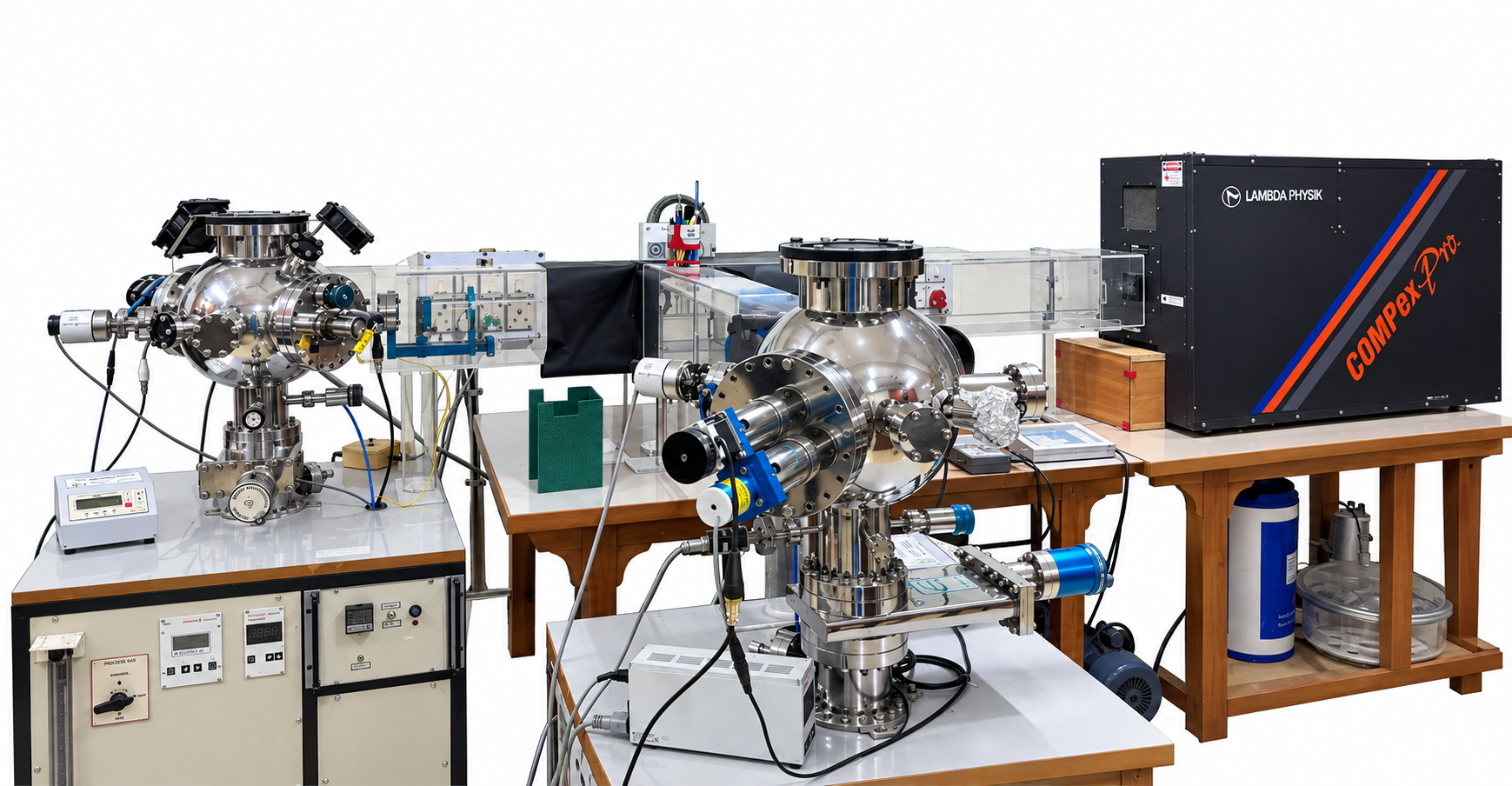
KrF Excimer Laser Integration: A comprehensive setup for synthesizing high-quality epitaxial thin films of functional ceramics like ferroelectrics, piezoelectrics, and high-k dielectrics.
- Wavelength: 248 nm
- Substrate Temperature: Room Temperature (RT) to 800 °C
- Repetition Rate: Up to 10 Hz
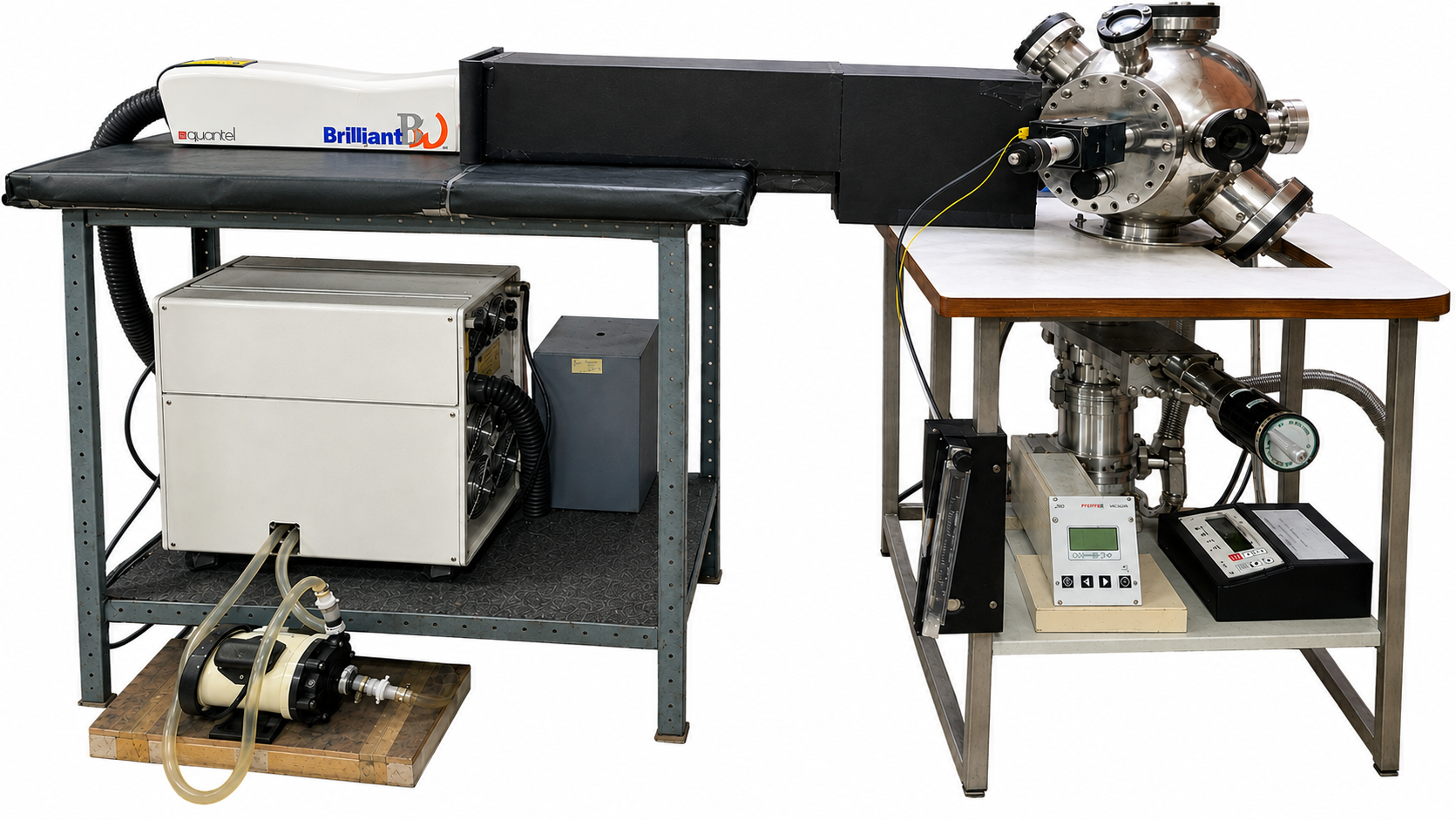
Solid-State Laser Integration: Coupled with high-vacuum chambers, ensuring pristine environmental control and versatile deposition parameters for intricate functional heterostructures.
- Wavelength: 266 nm
- Substrate Temperature: Room Temperature (RT) to 780 °C
- Repetition Rate: Up to 10 Hz
Sputter Deposition (RF Magnetron) UPCOMING
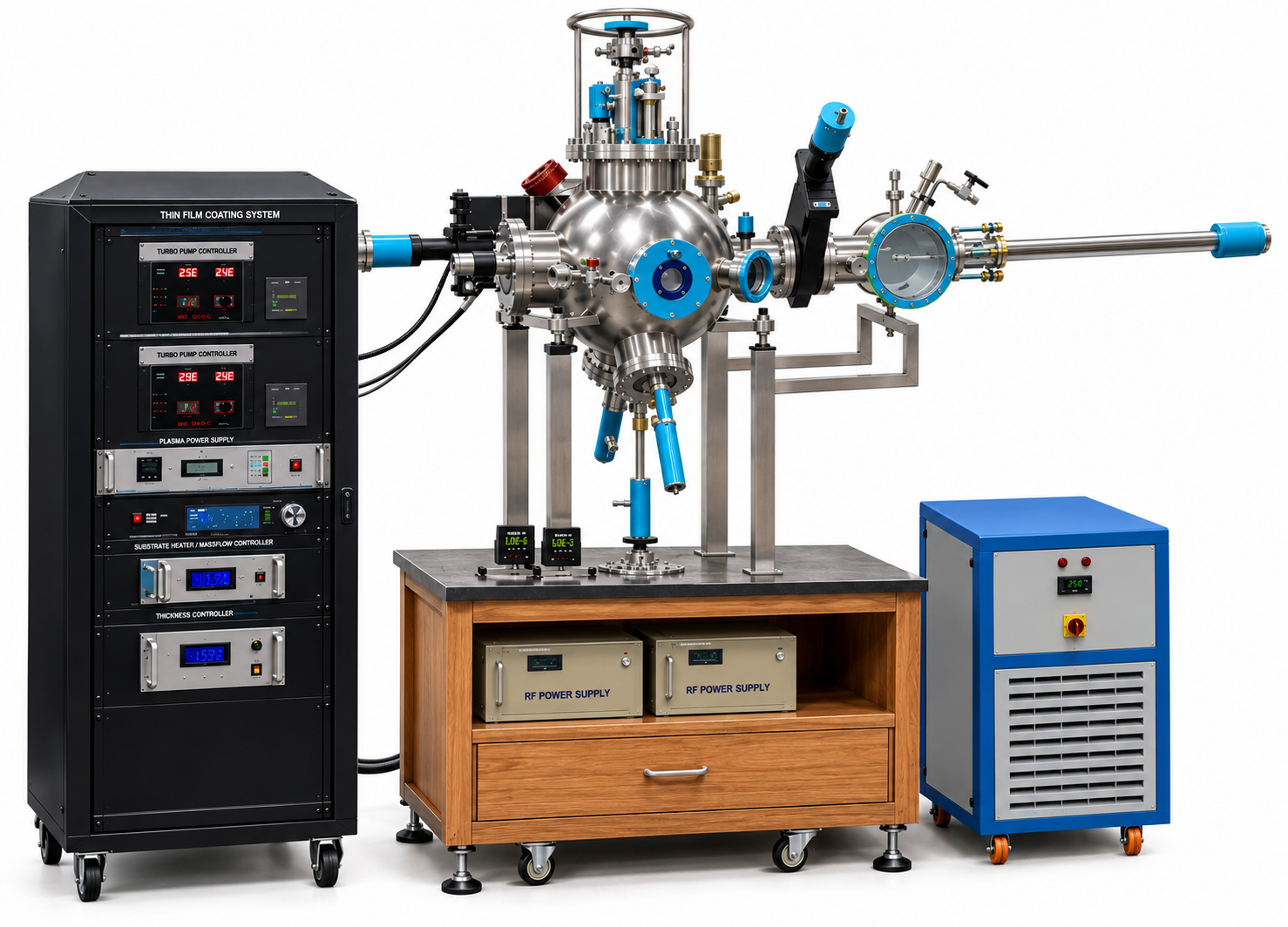
A highly versatile upcoming facility featuring Co-sputtering, load-lock sample transfers, and In Situ Diagnostics to monitor plasma parameters in real-time.
- Load-Lock: Yes, for rapid and pristine sample transfer capability.
- Process Gases: N2, Ar, O2
- Substrate: 2" dia. with continuous rotation facility and heater up to 800 °C.
- Configurations: 2 sputter guns for co-sputtering in confocal geometry, or 1 gun for head-on deposition.
- Target-to-Substrate: Tunable distance from 3.5 cm to 10 cm.
- RF Power: Two RF sources (300 W each) equipped with automatic impedance matching networks.
- Power & Biasing: DC biasing capability for the power supply up to 100 V.
- In Situ Diagnostics: Langmuir probe capability to measure plasma potential. (Possible future upgrade to add optical emission spectroscopy).
Solution Casting
Direct Coating: Compatible with varied dimensions, highly useful for preparing thick functional films without complex vacuum equipment.
Phase Inversion (Flexible Composite Films): Enables fabrication of flexible, porous, and lightweight films utilizing non-solvent induced phase separation. Excellent for next-generation thermoelectric, ferroelectric, and piezoelectric flexible composites.
Characterisation Techniques
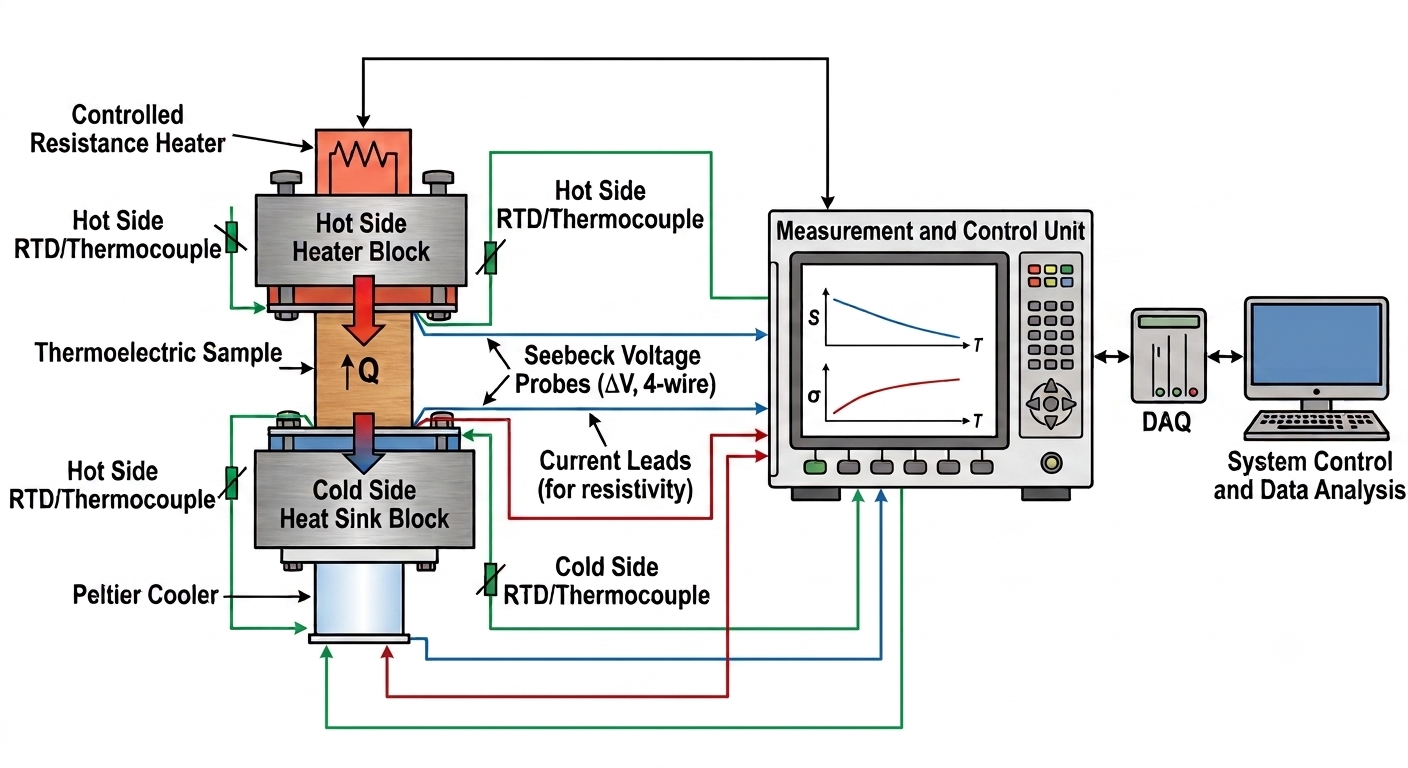
Thermoelectric Property Measurement
A specialized setup developed in-house to measure the conversion of thermal energy to electrical energy, critical for waste heat harvesting applications. It features an in-house built LabVIEW data acquisition program for continuous monitoring and logging of data.
- Capable of both in-plane and perpendicular-to-plane Seebeck coefficient and power factor measurements.
- Determines electrical conductivity precisely.
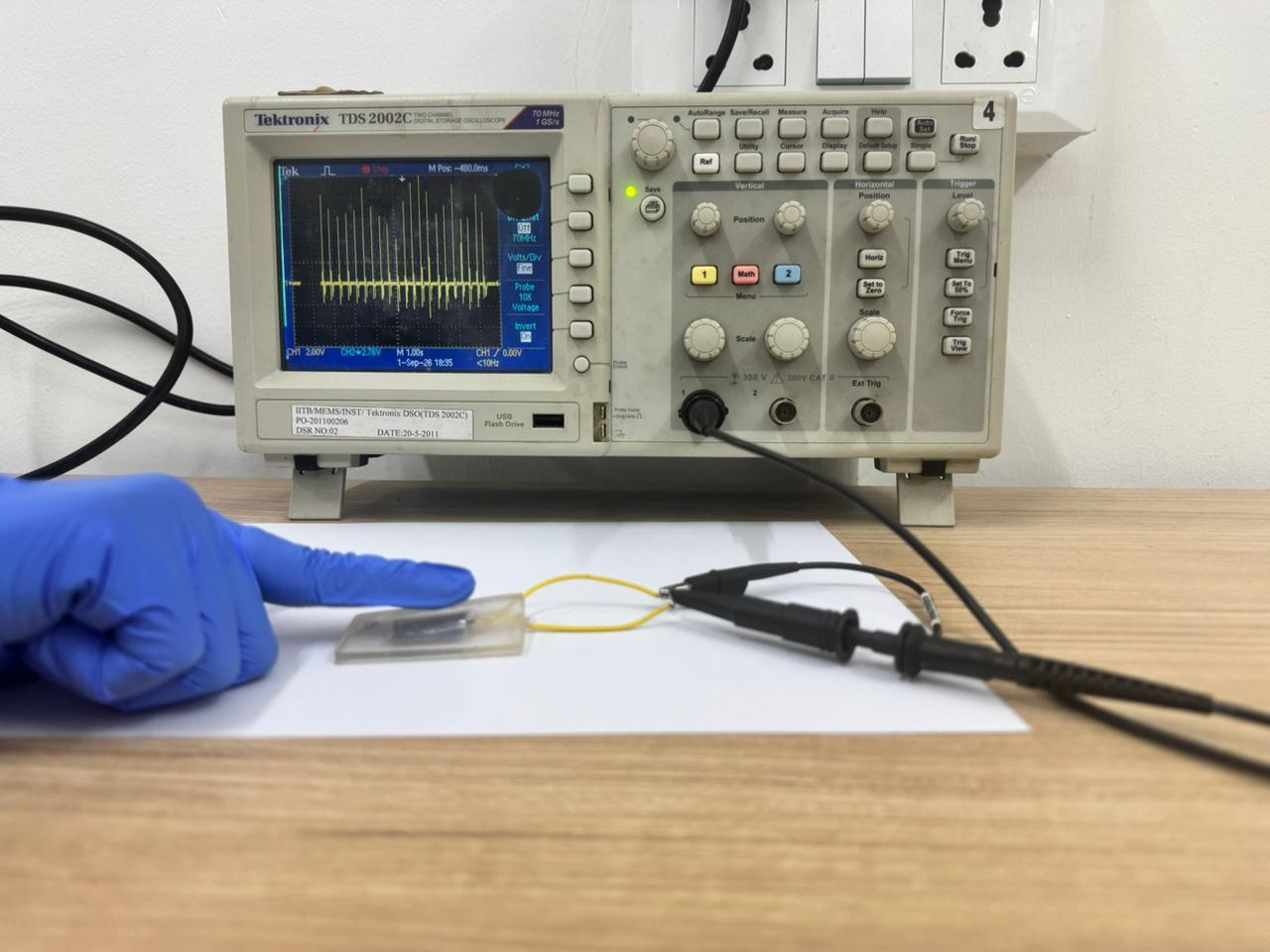
Output Voltage Measurement
Focuses on the conversion of mechanical energy to electrical energy. The output voltage measurement system is highly capable of measuring the mechanical-to-electrical energy conversion in piezoelectric and triboelectric nanogenerators, analyzing transient and continuous power output under stress.
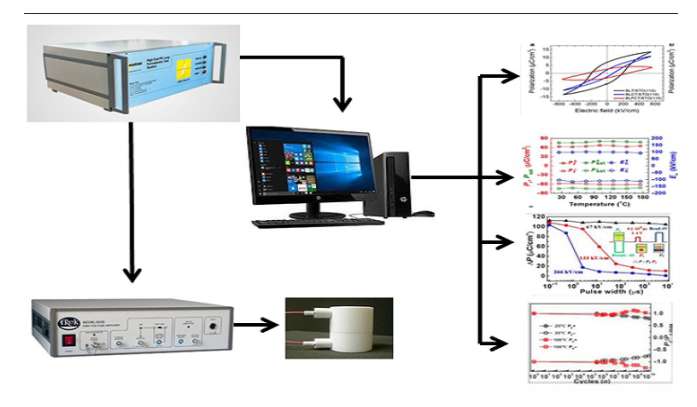
P-E Loop Tracer UPCOMING
- Measures Polarization: Tracks Polarization Vs Electric Field over various cycles and temperatures.
- Parameter Estimation: Accurately estimates Pmax (Maximum Polarization), Pr (Remanent Polarization), and Ec (Coercive Field).
- Probes Endurance: Evaluates fatigue and endurance limits under repeated switching.
- Strain Analysis: Estimates Electrostriction and associated mechanical responses.